










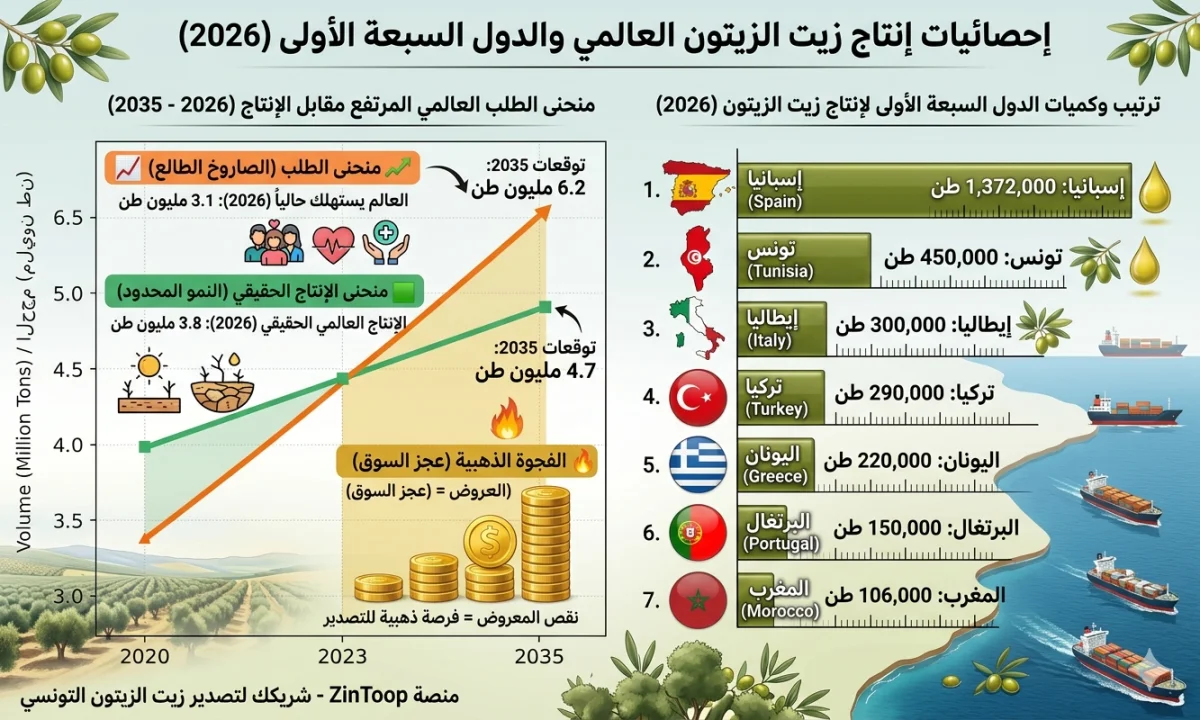
When international agricultural reports from the International Olive Council (IOC) state that the world contains over 1.2 billion olive trees and Tunisia alone possesses nearly 100 million trees, some farmers and traders mistakenly assume the global market will suffer from chronic oversupply. Today, let us dissect the real global numbers with cold market logic to understand why Tunisian high-grade olive oil remains one of the most lucrative and strategic agricultural assets for the next decade.
1. The Official Numbers vs The Uncounted Harvest
Global statistics only capture registered commercial volumes, but the real Mediterranean agricultural reality is far more expansive:
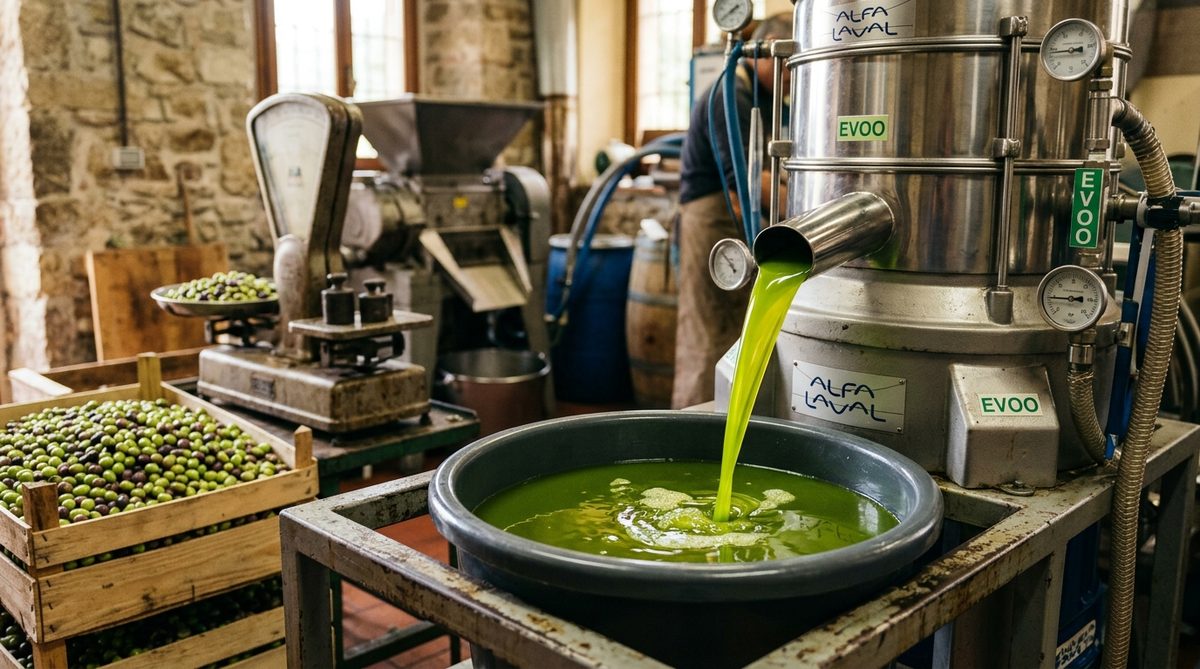
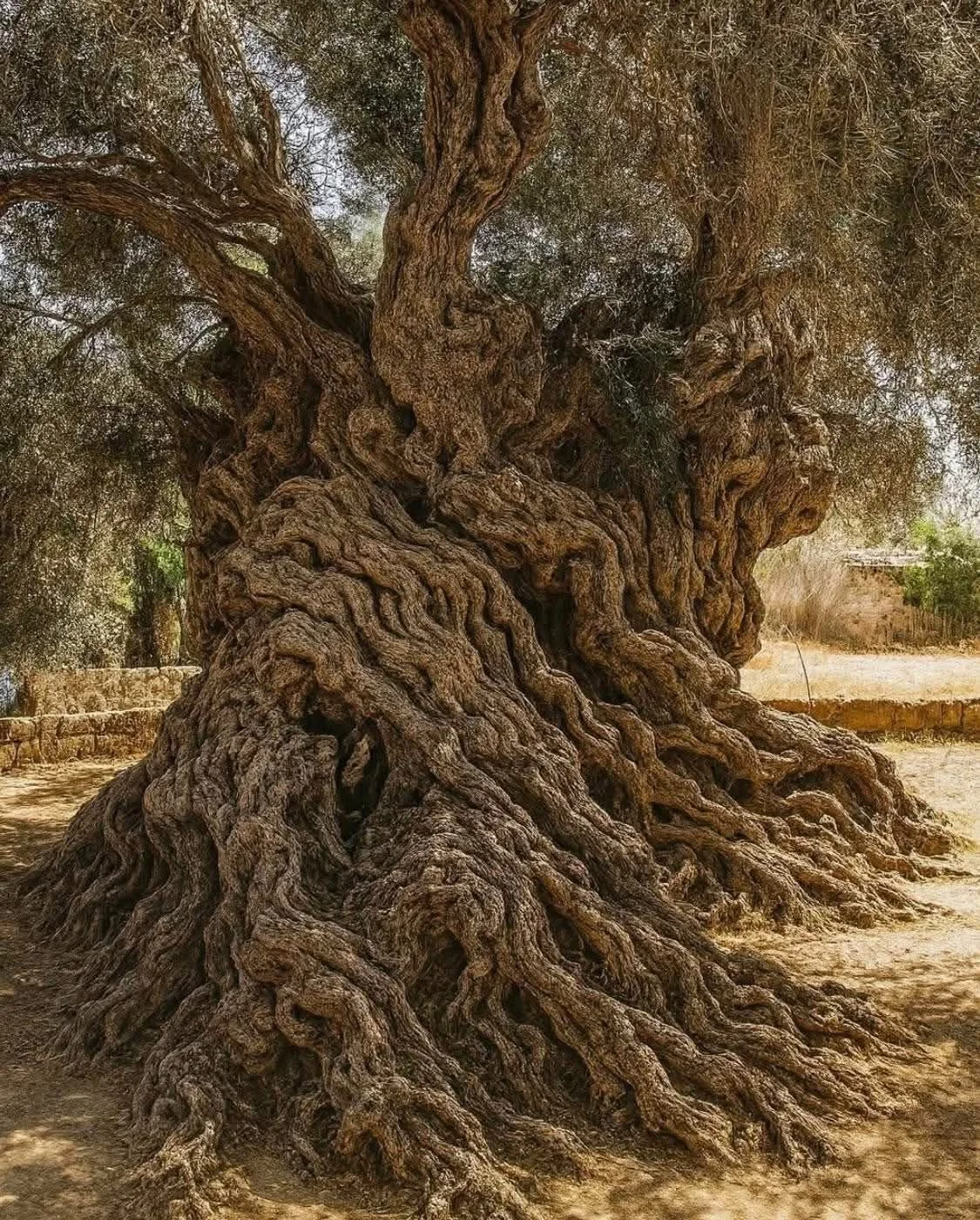
- The Hidden Groves: Millions of ancient, wild, and terraced olive trees across Tunisian mountains and rural valleys produce exceptional fruit outside formal corporate registries.
- Traditional Domestic Consumption (Zit El Oula): Hundreds of thousands of Mediterranean families purchase their annual extra virgin olive oil directly at local mills for household storage, volumes that never enter commercial export commodity statistics.
2. The 3% Global Shock: Abundance of Trees, Scarcity of Real Oil
Here lies the fundamental economic reality: out of all edible vegetable oils consumed globally (palm, soybean, canola, sunflower totaling hundreds of millions of tons), extra virgin olive oil represents only 3% of world vegetable oil consumption!
Olive oil is not an ordinary commodity—it is a scarce, elite luxury food and functional medicine. The global market is perpetually hungry for authentic, high-polyphenol extra virgin olive oil.
3. The Mediterranean Sun as a Biological Defense Engine
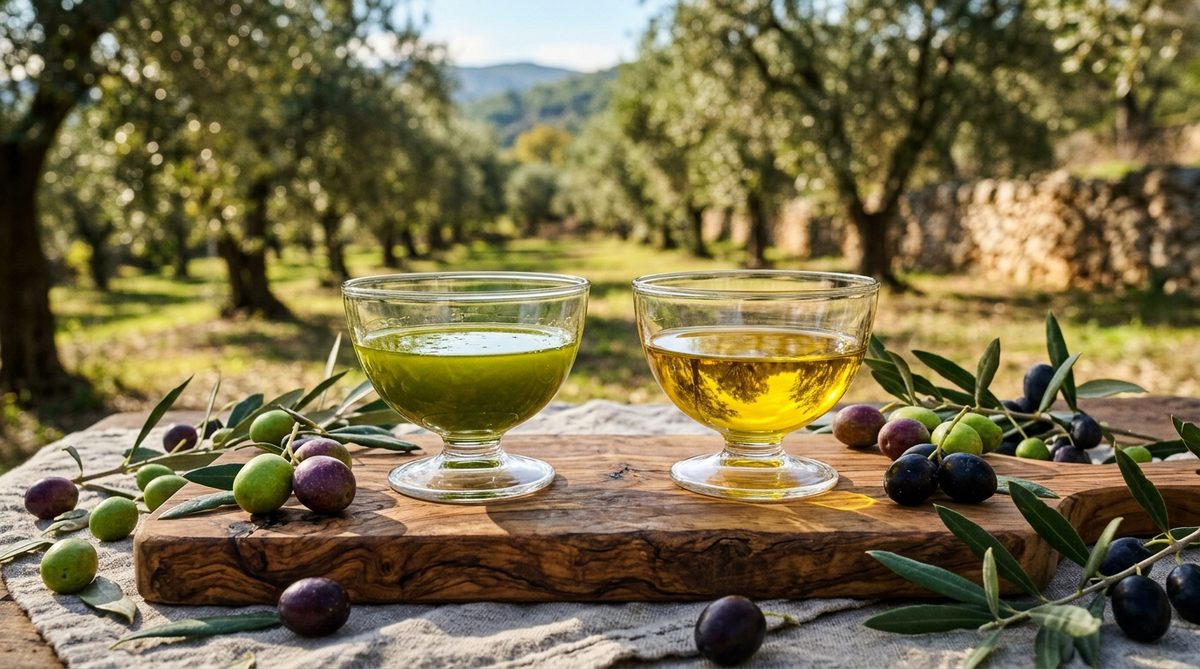
Tunisia's arid climate and relentless Mediterranean sunshine are not agronomic handicaps; they are biological catalysts. When olive trees face drought and intense solar radiation, they synthesize record concentrations of antioxidant polyphenols and oleocanthal to protect their fruit.
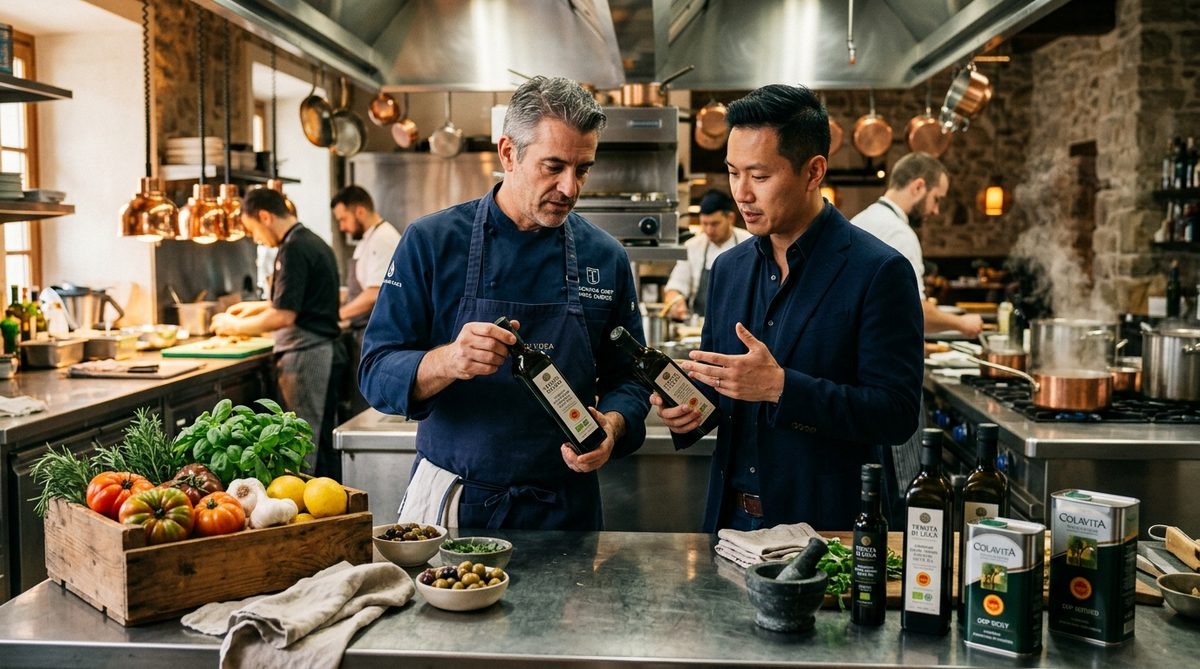
Consumers in North America, Europe, the Gulf, and Asia are no longer buying olive oil merely for frying; they are investing in preventive health and longevity. Demand for genuine cold-pressed EVOO consistently outstrips global supply.
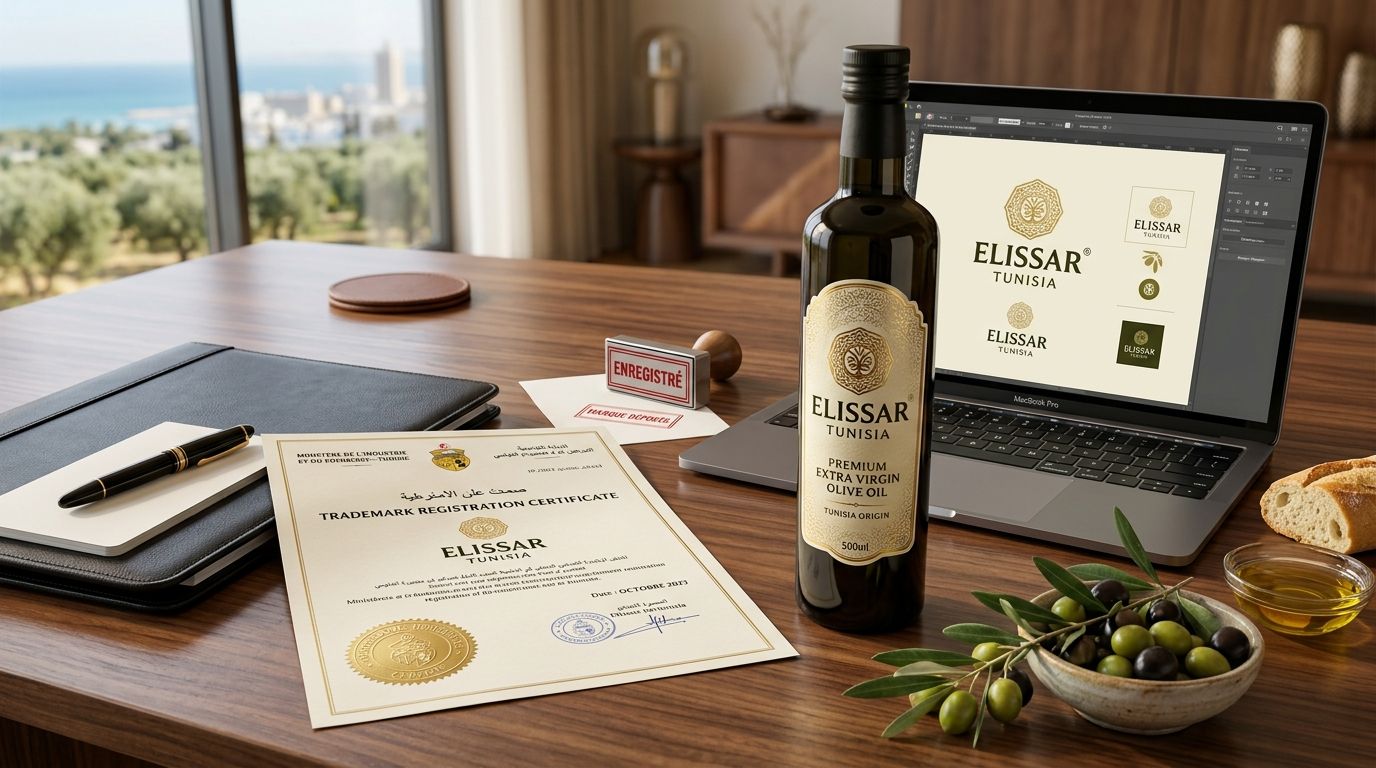
4. How ZinToop Transforms Hidden Value into Export Profits
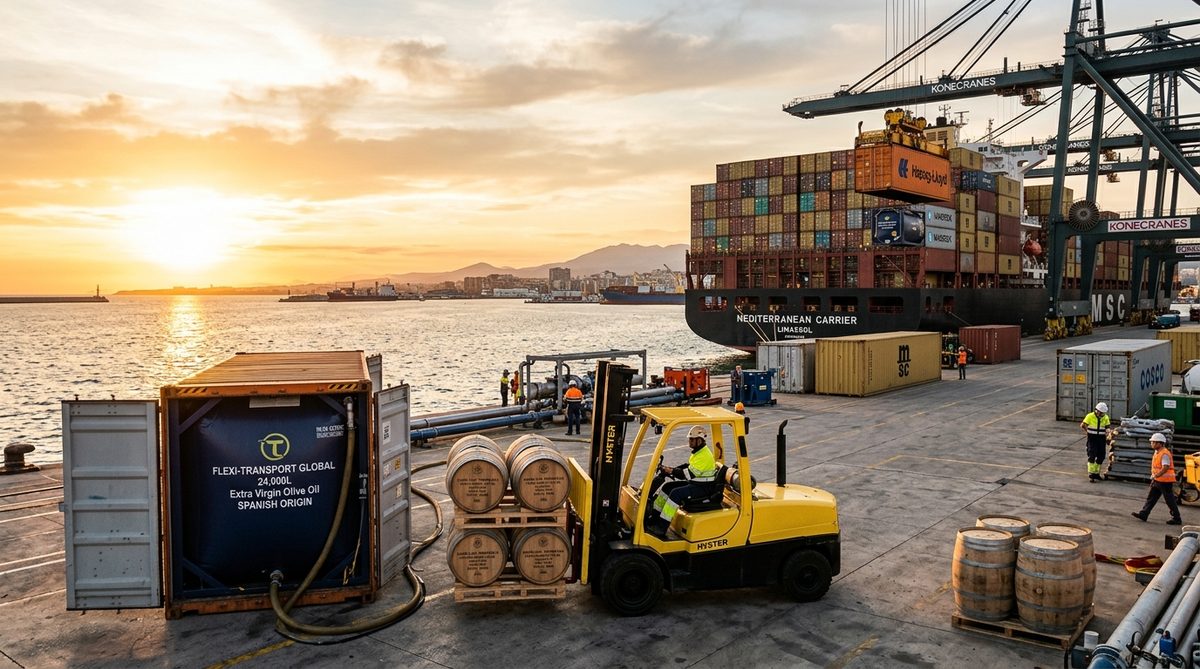
The historic problem facing Tunisian farmers was never the volume of harvest; it was predatory local intermediaries who bought premium oil at undervalued prices. ZinToop eliminates these hurdles by connecting verified Tunisian producers directly to high-paying international buyers with certified pre-shipment laboratory documentation.
List your harvest or source directly on ZinToop: https://zintoop.com/en/catalog