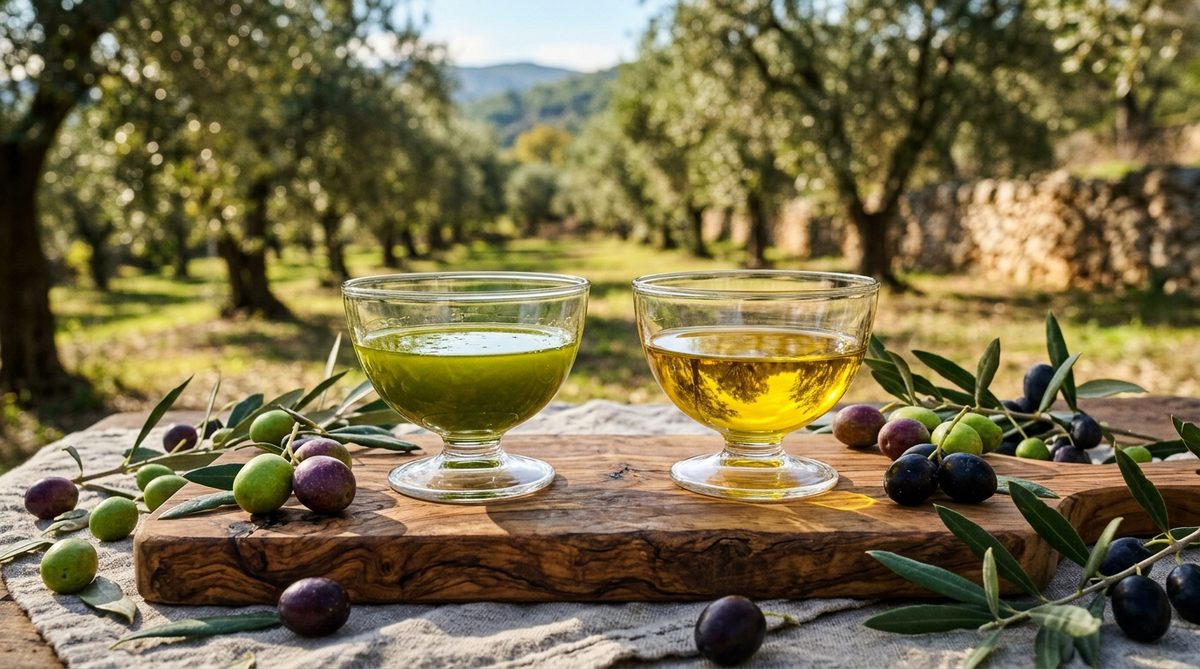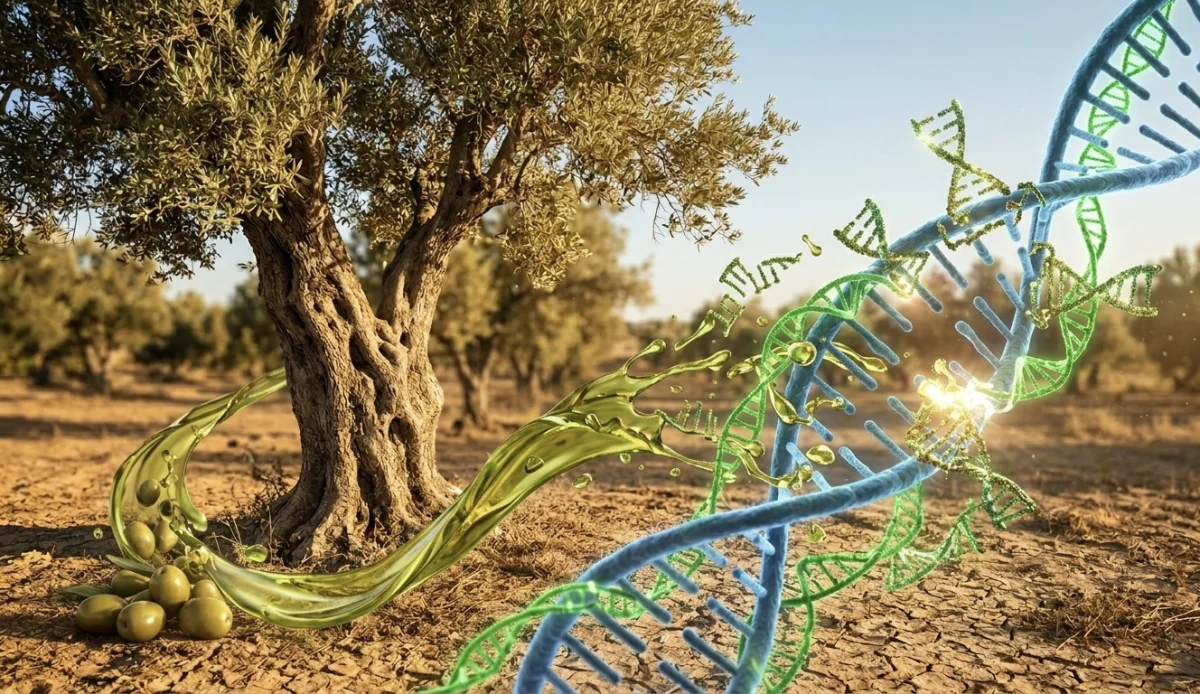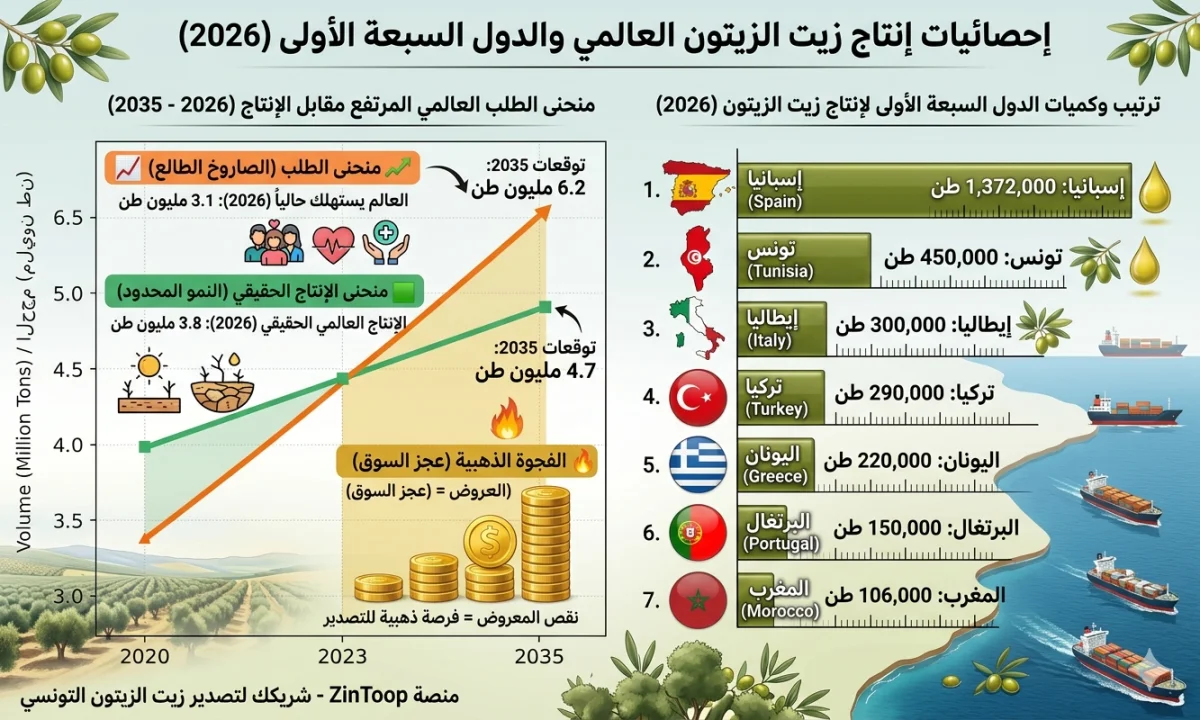








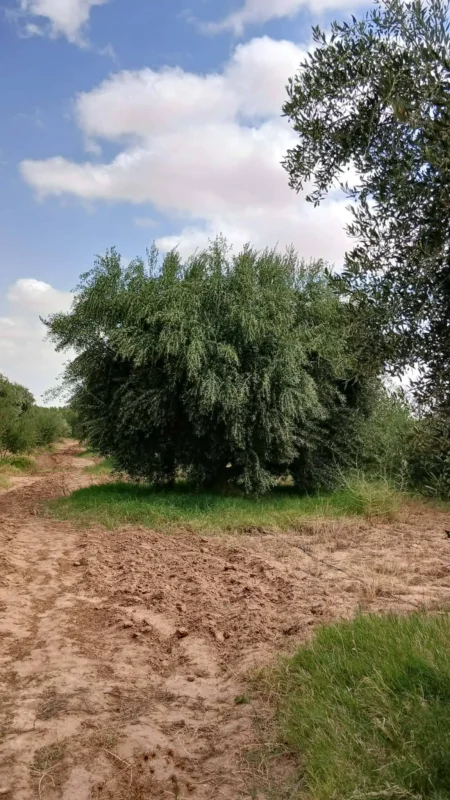

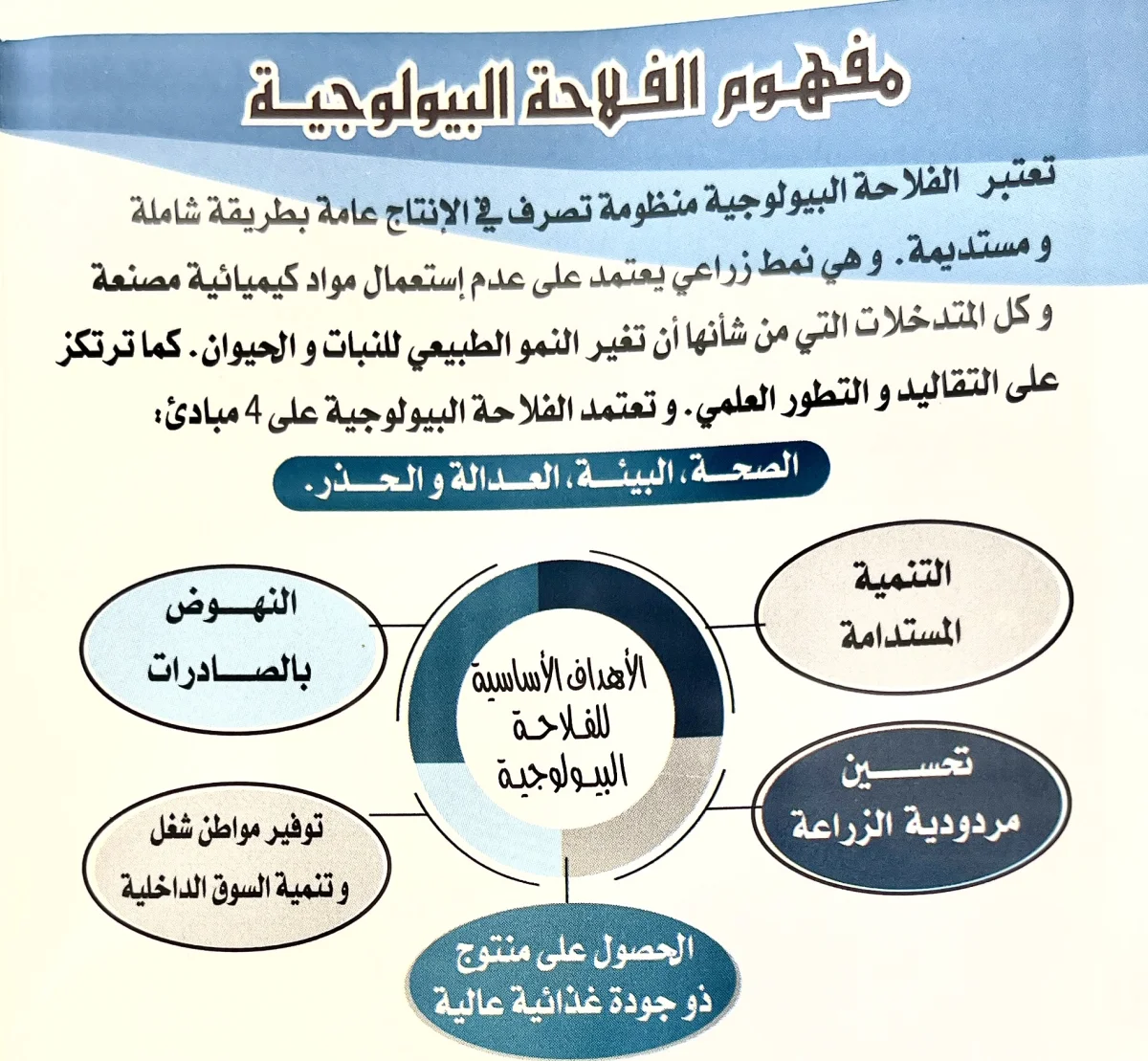
Tunisia ranks as the world's leading exporter of certified organic olive oil outside the European Union, boasting more than 300,000 hectares of certified organic olive forests. Organic farming in Tunisia is not merely the absence of chemical residues in lab tests; it represents a comprehensive agricultural philosophy that respects soil ecology, biodiversity, and sustainable water management.
1. Mandatory Conversion Period (3-Year Transition)
Transitioning a conventional olive grove to certified organic status requires a mandatory 3-year transition period supervised by approved certification bodies (Ecocert, CCPB, Kiwa). During this interval:
- The orchard is inspected regularly to ensure zero synthetic pesticides or chemical fertilizers are applied.
- Natural living windbreaks (cactus, cypress, dense shrubs) must shield the organic grove against chemical drift from neighboring farms.
2. Technical Protocol: Organic Soil Fertilization & Nutrition
Because synthetic fertilizers (urea, ammonium nitrate) are strictly prohibited, organic growers rely on natural biological cycles:
- Fully Fermented Animal Compost: Unfermented raw manure can introduce soil pathogens and weed seeds. Growers utilize organic compost aged for 4 to 6 months at temperatures exceeding 60°C, stabilizing nitrogen, phosphorus, and potassium into slow-release nutrients.
- Green Manure (Cover Crops): Planting legumes (fava beans, clover, field peas) between olive tree rows during autumn. Legumes naturally fix atmospheric nitrogen through root nodules. In early spring, turning these plants into the topsoil enriches organic matter and enhances soil water retention.
- Margine (Olive Mill Wastewater) Controlled Recycling: When applied following strict agronomic limits (<50 m³ per hectare per year, at least 1 meter away from tree trunks), raw margine serves as an exceptional natural potassium and organic fertilizer.
3. Milling & Extraction Standards for Organic EVOO
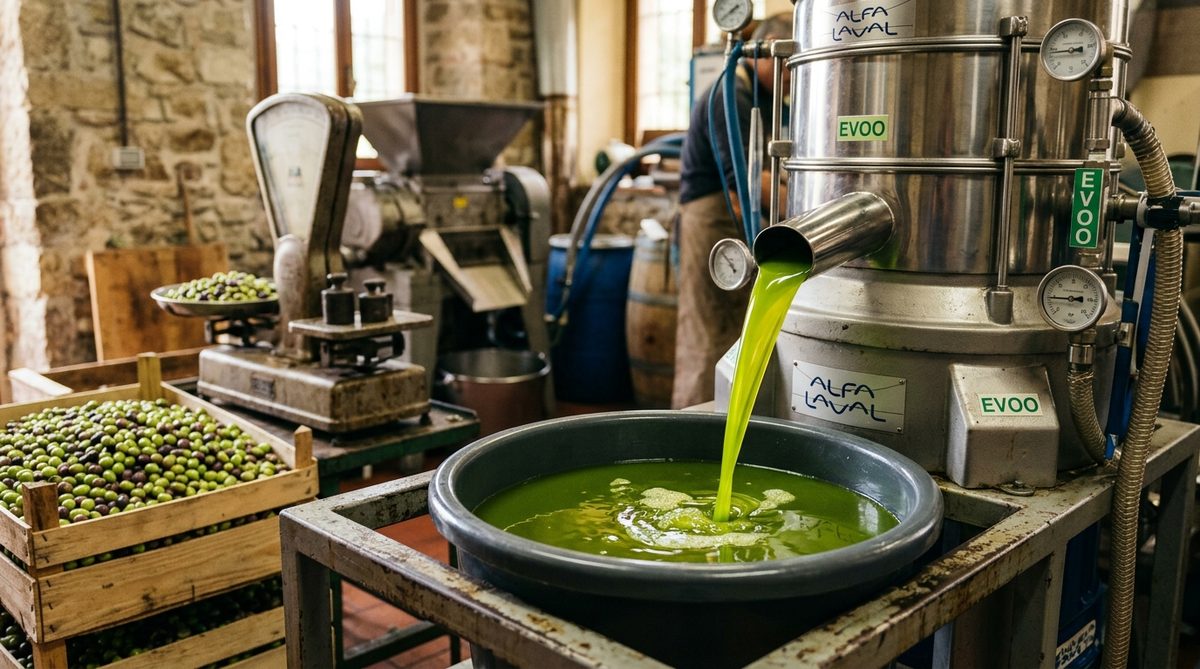
Organic integrity must be preserved inside the modern continuous extraction mill:
- Dedicated Production Lines: Dedicated processing schedules or thorough line sanitization with food-grade certified cleaners before organic milling commences.
- True Cold Extraction (<27°C): Ensuring temperature throughout malaxation and centrifugation does not exceed 27°C to preserve volatile aromas and antioxidant polyphenols.
- Certified Food-Grade Stainless Steel Tanks: Nitrogen-flushed stainless steel storage tanks clearly labeled with organic lot traceability numbers.
4. Governmental Incentives & Financial Grants in Tunisia
The Tunisian Ministry of Agriculture provides major support packages for organic operators:
- 70% Machinery & Equipment Grants (up to 200,000 TND) for composting and harvest machinery.
- 50% Annual Inspection Fee Subsidies reimbursing annual audit costs charged by certification organizations.
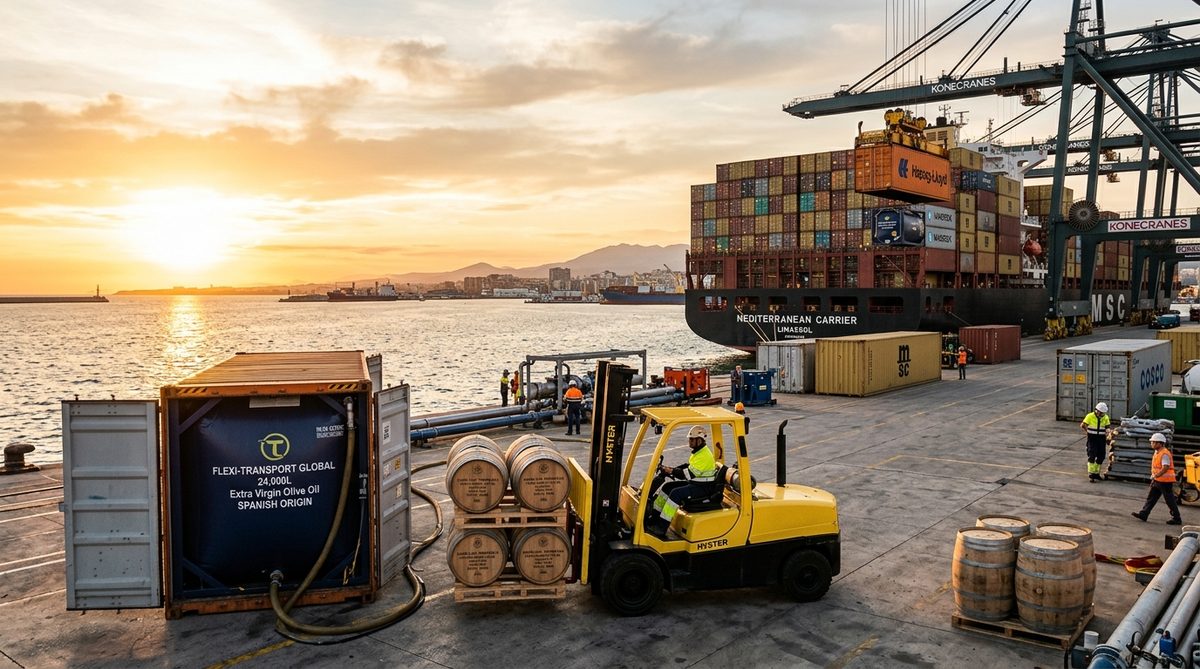
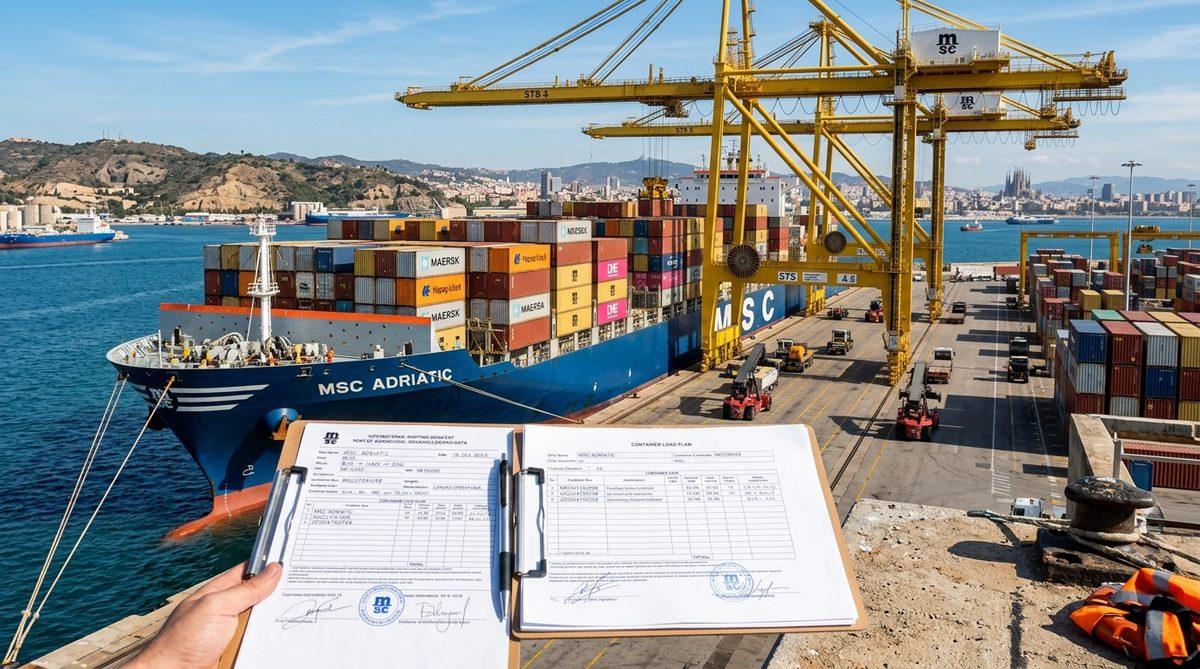
- Preferential Customs Clearance fast-tracking export containers at commercial ports.
Connect with certified organic producers on ZinToop: https://zintoop.com/en/tunisian-olive-oil-suppliers